Choosing the best operating system (OS) for your industrial mobile computers is about to get more challenging. Windows Embedded Handheld 6.5 is widely supported in rugged, enterprise devices, but its end of life is approaching in 2020. Microsoft has encouraged customers to migrate to Windows Embedded 8.1 Handheld or Windows 10, but many are now evaluating other OS platforms.
VDC Research found that 22% of respondents with existing Windows Mobile/CE solutions will migrate to Android, while 20% will move up to Windows 10, and 10% will migrate to iOS. Almost half are undecided.
Operating system selection will rely on a number of factors, including the hardware you choose, the types of applications you plan to run, the development platform your legacy systems were based on, and your tolerance for risk or platform instability.
Windows: Windows Mobile/CE/Embedded has long been the dominant platform in the rugged mobile computer space, but Android has made steady inroads, particularly as more companies shift to tablet form factors. (Apples iOS-based devices can be ruggedized using cases or sleds, but there are currently no purpose-built rugged devices using that OS.)
The advantage of Windows is its familiarity, large developer base, and the fact that most of the applications used for industrial mobile computers (warehouse management, field service, delivery, etc.) were developed for Windows. Having a stable, standardized OS can reduce the total cost of ownership of the mobile devices.
Newer versions of Windows offer security upgrades and other features, and apps can be ported across form factors (handheld, tablet, smartphone, laptop, etc.) with minimal coding differences.
With the shift to Windows 10, even companies with legacy Windows applications are going to have to re-architect those solutions, so the transition costs of switching to Android are not necessarily any higher.
Android: Google’s open-source platform has steadily gained ground in the rugged mobile space, with a number of tablet and hand-held devices available. While platform stability and security were previously challenges with Android, new offerings like Android for Business have made the OS much more appealing.
Because every hardware vendor uses a slightly different version of Android, there have been complaints about OS fragmentation, which can lead to challenges when it comes to keeping application updates in synch with OS updates. Android also tends to update the platform more frequently than Windows, which can lead to increased support costs.
However, it is easier for IT departments to quickly respond to user requests for new functionality or applications because of the open nature of the platform and the number of different applications available.
HTML5: HTML5 is not an OS, but enables the creation of browser-based applications. By having a browser-based solution, companies can insulate themselves from OS instability, because the applications can run regardless of the OS on the device.
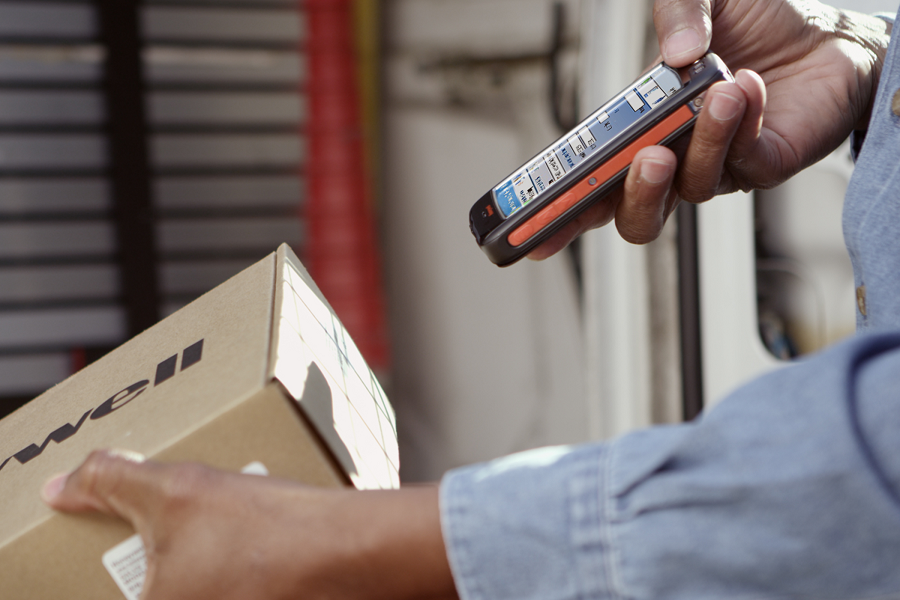
Fortunately, there are options available to make this migration easier. Honeywell successfully launched its Android line with the Intermec CN51 mobile computer, leveraging the new security and enterprise-focused features in the latest versions of the OS. The company also offers Android versions of its Dolphin 7800, Dolphin CT50, and Dolphin 75e.
Honeywell offers a full line of mobile products that support the various flavors of Windows Embedded (including 6.5 and 8.1), as well as the ability to transition to Windows 10 in the future. In addition, Honeywell gives customers the ability to migrate existing Windows devices to Android if necessary, without replacing the hardware.
Honeywell devices offer support for HTML5-based applications. Not all applications are a fit for HTML5, but many data capture applications are ideal candidates for this infrastructure.
By selecting a flexible hardware platform, companies that face migrating their applications from Windows Embedded to a new OS platform can better prepare for future upgrades and extend the life of their industrial mobile computers.